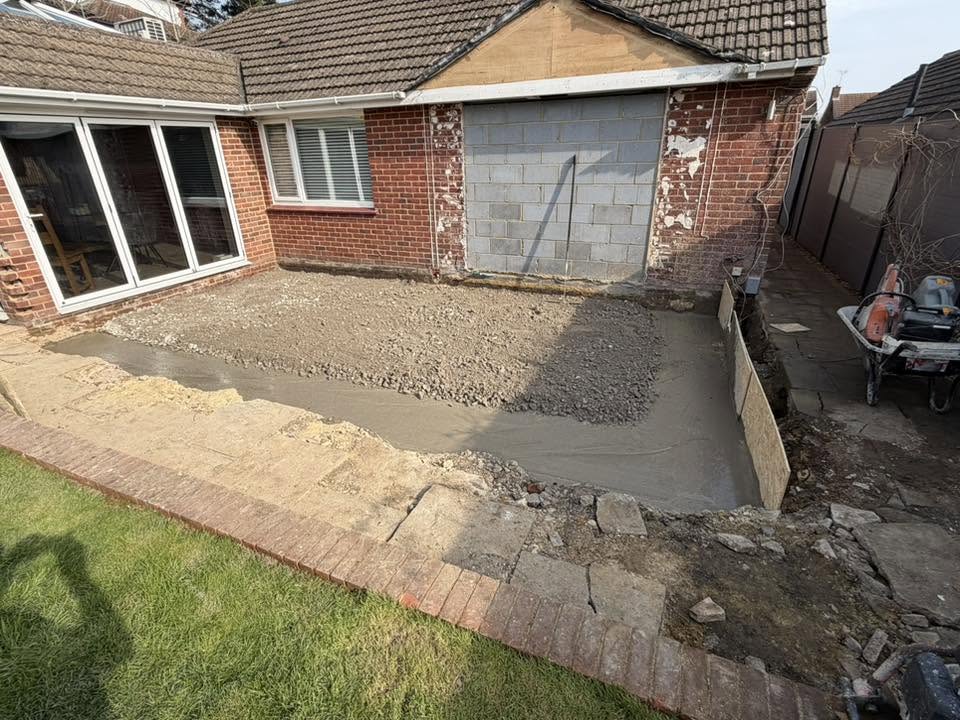
Master the technical engineering standards of structural underpinning and subsidence repair in Kent. Learn forensic soil mechanics and mass concrete pin execution.
The emergence of foundation settlement, multi-axial rotational shifting, and progressive superstructure shear cracking indicates a fundamental failure within the subterranean load-bearing plane of a property. A building’s foundation system is designed to translate massive dead and live loads uniformly down into stable subgrade strata. When the mechanical bearing capacity of the underlying soil horizons drops below the vertical compression loads applied by the building footprint, the asset experiences structural subsidence.
Across historical estates, modern residential developments, and commercial properties throughout the South East, treating foundation subsidence with cosmetic masonry repairs or shallow concrete capping is a severe structural failure risk. Structural remediation demands deep geotechnical forensics, sequential load paths, and engineered stabilization matrices that bypass volatile upper soil horizons to establish an unyielding ground base.
This comprehensive civil manual details the geotechnical soil physics, mass concrete pinning profiles, structural mechanics, and execution protocols required to deliver pristine underpinning and structural subsidence repair kent configurations.
1. Geotechnical Forensics: Soil Desiccation, Hydration Dynamics, and Clay Physics
To safely calculate the required depth and geometry of a structural underpinning pin array, the engineering panel must execute a thorough forensic evaluation of the underlying earth mass. Foundation movement is almost always driven by an interaction between sub-surface hydrology and soil chemistry.
The Dynamics of High-Plasticity Wealden and London Clays
The primary geological challenge across the region is the presence of heavy, over-consolidated Wealden and London Clay horizons. Clay soils behave like active geological sponges, possessing high plasticity indexes that cause severe volumetric shifts based on shifting water tables.
+-----------------------------------------------------------------------+
|                    THE SEASOANL CLAY HYDRATION VOLATILITY LOOP        |
+-----------------------------------------------------------------------+
|                                                                       |
|   [ COHESIVE SOIL EXPANSION ] <===============> [ CLAY DESICCATION ]  |
|   - Wet Winter Saturation Flows                 - Hot Summer Core Dry |
|   - High Volumetric Swell Pressures             - Volumetric Shrinkage|
|   - Triggers Foundation Heave Moments           - Subgrade Drops Out  |
|                                                                       |
+-----------------------------------------------------------------------+
During hot summer cycles, deep-rooted vegetation and mature trees extract vast quantities of water from the earth. This causes the clay particles to shed their pore water, resulting in deep volumetric shrinkage and core desiccation.
As the soil shrinks horizontally and drops vertically, the support directly beneath shallow legacy strip footings disappears, forcing the building's load-bearing walls to shear and drop down into the un-compacted voids. Conversely, wet winter months re-hydrate the clay, triggering high volumetric swell pressures that cause foundation heave—applying upward vertical forces that can tear masonry joints apart.
Forensic Trial Pit Profiling and Core Penetrometer Testing
Before designing the underpinning grid, crews excavate deep exploratory trial pits immediately adjacent to the settling foundation toe:
Geotechnical Diagnostic PassTechnical Equipment EmployedMechanical Performance TargetBorehole Core SamplingRotary Flight Auger RigMaps geological stratification down to 6mPlasticity Index TestingAtterberg Limit Liquid LabsQuantifies shrink-swell volumetric risk profilesBearing Capacity AnalysisDynamic Cone PenetrometerLocates target stable soil horizonsRoot Species ScreeningMicroscopic Cellular AnalysisIdentifies species driving sub-surface desiccation
The dynamic cone penetrometer passes track the precise depth where the soil's California Bearing Ratio (CBR) matches the building's required compressive stress load paths. The underpinning system must extend vertically past the volatile upper desiccation zone, anchoring the asset deep within stable geological ground layers.
2. Mass Concrete Underpinning: The Sequential Pinning Framework
Where a building's strip foundations have experienced structural settlement, the load-bearing paths must be systematically transferred to deeper concrete piers. Traditional mass concrete underpinning remains the premier civil solution for low-rise residential structures, accomplished by excavating and casting concrete segments—universally known as pins—in a strict, non-continuous sequential pattern.
Structural Balancing and the Alternating Pin Grid
An engineer must never permit the continuous excavation of a trench beneath a subsiding wall. Removing lateral and vertical earth support along an extended line will cause immediate shear collapse of the superstructure.
The wall length is divided into a series of legs, typically restricted to a maximum horizontal width of one meter per segment. These legs are assigned index numbers across a staggered grid configuration (e.g., 1, 2, 3, 4, 1, 2, 3, 4).
+-----------------------------------------------------------------------+
|                    NON-CONTINUOUS SEQUENTIAL PINNING MATRIX           |
+-----------------------------------------------------------------------+
|                                                                       |
|   === EXISTING SUBSTRUCTURE BASE STRIP FOOTING LINE ================  |
|   +-------------+-------------+-------------+-------------+---------+  |
|   |  SECTION 1  |  SECTION 3  |  SECTION 2  |  SECTION 4  | SECTION1|  |
|   | [Active Dig]| [Locked Mud]| [Locked Mud]| [Locked Mud]| [Active]|  |
|   +-------------+-------------+-------------+-------------+---------+  |
|   | MASS CONC   |             |             |             | MASS CON|  |
|   | PIER BLOCK  |             |             |             | PIER BLK|  |
|   +-------------+             +-------------+             +---------+  |
|                                                                       |
+-----------------------------------------------------------------------+
Excavation crews open the Section 1 legs first, digging down underneath the original strip footing to the design depth determined by the soil penetrometer audits. While Section 1 pins are being excavated and cast, the intermediate sections (2, 3, and 4) remain completely undisturbed, acting as structural soil legs that maintain the building's global stability index.
Once the Section 1 concrete pins have achieved full structural cure strength, the secondary sequences are opened, ensuring the property's dead weight is safely balanced throughout the entire civil execution loop.
3. Formwork Steel Placement and Thixotropic Structural Grout Packs
Every excavated underpinning pin must be processed into a high-density, steel-reinforced structural composite capable of handling eccentric vertical compression forces and horizontal lateral earth shear stresses.
Reinforcement Cage Construction and C25/30 Concrete Pours
Once a pin hole is excavated down to stable ground, the vertical faces are lined with timber shuttering frames. High-tensile steel reinforcement bar grids—constructed from heavy longitudinal bars tied with spiral perimeter links—are positioned inside the formwork chamber.
The rebar cages are elevated on high-density concrete spacer blocks to guarantee a fifty-millimeter concrete cover coat, shielding the steel core from groundwater corrosion.
Structural concrete, specified to a minimum class designation of C25/30 or Generic Gen 3 concrete, is poured into the pin void. The concrete is introduced in continuous volume streams and processed using mechanical internal poker vibrators to extract all trapped air bubbles.
The concrete pour is stopped approximately fifty millimeters to seventy-five millimeters short of the underside of the pre-existing concrete strip footing. This leaves a critical gap that must be mechanically handled once the main pier block finishes its initial seventy-two-hour hydration cure cycle.
+-----------------------------------------------------------------------+
|                    THE RIGID STRUCTURAL DRY-PACK EMBEDMENT            |
+-----------------------------------------------------------------------+
|                                                                       |
|   [ PRE-EXISTING SUBSIDING CONCRETE STRIP FOOTING ]                   |
|   =================================================================   |
|   [ 50mm CALIBRATED HIGH-COMPRESSION THIXOTROPIC DRY-PACK MORTAR ]    |
|   =================================================================   |
|   [ NEWLY CAST C25/30 HIGH-DENSITY UNDERPINNING PIER BLOCK ]          |
|   +---------------------------------------------------------------+   |
|                                                                       |
+-----------------------------------------------------------------------+
The Dry-Pack Mortar Transfer Pass
The structural link between the old foundation base and the new deep concrete pier block is executed using a specialized, high-strength thixotropic dry-pack mortar compound. This material consists of a zero-shrinkage, polymer-modified sand and Portland cement paste mixed with an absolute minimum water ratio.
The stiff mortar paste is rammed firmly into the fifty-millimeter gap using mechanical driving tools and timber packing clubs. Because the dry-pack mix contains zero excess hydration water, it experiences complete zero-shrinkage cracking during its curing loop.
This creates an unyielding mechanical wedge that transfers the vertical load paths of the building down onto the deep underpinning pins, stabilizing the asset against future movement.
4. Sub-Surface Hydraulic Routing and SuDS Drainage Re-Engineering
A common root cause of foundation subsidence across properties is localized sub-surface water leakage. Leaking municipal water mains, broken foul water channels, or unmanaged surface runoff can wash fine sand aggregates out from beneath a foundation base or saturate clay soil beds, dropping the soil's shear strength and causing sudden structural settlement.
To ensure long-term stability, the groundworks team must install an active sub-surface drainage network alongside the new underpinning arrays. This requires laying heavy-duty twin-wall perforated high-density polyethylene (HDPE) smooth-bore land drains along the footing level.
The pipes are wrapped inside a non-woven, needle-punched geotextile filtration sleeve and packed with clean forty-millimeter angular granite blocks to intercept moving groundwater sheets before they can pool against the new concrete pins.
To satisfy national Sustainable Drainage Systems (SuDS) planning mandates, this drainage network must link directly to subterranean stormwater attenuation crate arrays buried beneath lower lawn zones.
These highly porous retention cells store peak water volumes during torrential rain storms and release the fluid at a slow, controlled greenfield runoff pace into the deep ground table, protecting the building's primary foundation zones from hydrostatic water saturation and safeguarding nearby patios and slabbing networks from water damage.
5. Seamless Multi-Surface Interfaces Across Masonry and Hardscape Boundaries
The definitive indicator of an elite turnkey civil engineering installation is how seamlessly the deep underpinning structures transition into the building's upper masonry leaves and adjacent external hardscapes.
Structural Crack Stitching Across Upper Masonry Leaves
Once the subterranean foundation base is stabilized against further vertical shifting, any progressive fractures tracking across upper brick courses must be mechanically repaired. Technicians utilize high-tensile twisted stainless steel helical reinforcement bars embedded within deep-raked horizontal mortar courses to bridge structural crack lines.
+-----------------------------------------------------------------------+
|                    SUPERSTRUCTURE TENSILE RE-BONDING MATRIX           |
+-----------------------------------------------------------------------+
|                                                                       |
|   [ STABILIZED RESIDENTIAL WALL ELEVATION ]                           |
|   +---------------------------------------------------------------+   |
|   |  RAKED MORTAR TRACK  |== TWISTED HELIBAR REINFORCEMENT ==|    |   |
|   +---------------------------------------------------------------+   |
|                            ||                                         |
|                            v Ties Sheared Core Zones Together         |
|   ======================== GROUND LEVEL INTERFACE =================   |
|   [ DEEP EXCAVATED MASS CONCRETE UNDERPINNING PIER PLATFORM ]         |
|                                                                       |
+-----------------------------------------------------------------------+
Every single masonry repair stage must conform exactly to premium structural brickwork kent guidelines and traditional historic brickwork repointing kent conservation criteria.
This ensures that any restored facing brick joints utilize color-matched, flexible mortar profiles to absorb micro-structural building movements without triggering brick face spalling or stress-line fractures across the home's primary load paths.
Protecting Premium Porcelain and Block Paving Hardscapes
Executing deep mass concrete underpinning and structural grout injections requires tracking heavy plant and excavators across site boundaries, generating significant volumes of highly alkaline concrete dust, slurry runoff, and abrasive aggregate debris. If these materials drop onto adjacent luxury porcelain slabbing kent terraces or high-load driveways, they present a severe staining, scratching, and chemical etching hazard.
To eliminate this risk, the workspace perimeter beneath active scaffolding setups must be covered with multi-layer surface protection systems, matching the high-end site staging rules enforced across premium turnkey residential hardscaping kent installations.
Technicians lay down thick cushioning geotextile protection sheets topped with continuous heavy-duty copolymer plastic sheets to safely catch all chemical spills and tool drops, keeping the surrounding hardscape profile in pristine condition.
6. Comprehensive Operational Phased Lifecycle for Structural Underpinning
To guarantee that every forensic survey, dynamic cone penetrometer pass, sequential pin excavation, and dry-pack mortar compression matches strict civil engineering safety standards, site management must execute a highly structured, phased construction framework.
Phase 1: Forensic Structural Surveys, Trial Pit Extractions, and Layout Checks
Before any physical foundation cutting or structural excavation occurs on site, the ground conditions and failure paths must be fully verified.
- Forensic Structural Audits: Install mechanical tell-tale grid monitors across all upper superstructure fractures to record baseline movement velocity and map the settlement vector.
- Volumetric Trial Pit Excavations: Dig out localized exploratory trial pits directly adjacent to the foundation footprint to expose the original strip footing profile and check subgrade clay moisture levels.
- Subsurface GPR Utility Scanning: Scan the entire excavation perimeter utilizing dual-frequency Ground Penetrating Radar (GPR) to map all buried utility lines, power tracks, and water mains, setting up strict mechanical exclusion zones.
Phase 2: Sequential Leg Excavations, Base Compaction, and Shoring Setup
This phase manages the physical segment-by-segment excavation of the earth beneath the subsiding foundations.
- Sequential Pin Extractions: Deploy specialized teams to manually excavate the initial one-meter Section 1 pins down to the stable geological strata determined by cone penetrometer tests.
- Trench Shoring Assembly: Install high-strength steel trench sheets and mechanical props inside the open pin pits to counteract lateral active earth pressures and prevent bank shear failures.
- Subgrade Soil Compaction: Level the base of the deep pin void and compact the ground matrix using heavy mechanical ramming plates to eliminate future settlement risks.
Phase 3: Rebar Fabrication, Concrete Pours, and Dry-Pack Compressions
The core structural engineering phase where the new deep foundation blocks are cast and locked to the building frame.
- Formwork Steel Construction: Assemble the high-tensile steel rebar grids inside the shuttering chambers, elevating the cages on spacer blocks to guarantee a fifty-millimeter concrete cover skin.
- Casting the Concrete Piers: Pour high-density C25/30 Gen 3 structural concrete into the pin void in continuous streams, processing the matrix with internal poker vibrators to extract all air voids.
- Executing the Dry-Pack Link: Allow the concrete block to cure for seventy-two hours, then ram the zero-shrinkage thixotropic dry-pack mortar firmly into the remaining fifty-millimeter head gap to lock the load path.
Phase 4: Sequential Tie-Ins, Superstructure Stitching, and Handover Sign-Offs
The final technical phase where adjacent pins are completed, upper brickwork fractures are re-bonded, and the stabilized asset is signed off.
- Sequential Pin Completions: Repeat the excavation, rebar setting, and concrete pouring phases for the remaining section indexes (2, 3, and 4) until the continuous deep underpinning wall is sealed.
- Superstructure Helical Stitching: Embed the high-tensile twisted stainless steel Helibar rods into deep-raked mortar beds across all upper masonry fractures, pointing the joints with matching structural mortars.
- Final Structural Alignment Sign-Off: Clean away all surface protection mats and masking sheets, execute a final comprehensive multi-axis laser audit across the stabilized masonry elevations, and formally sign off the underpinning asset for immediate turnkey handover.