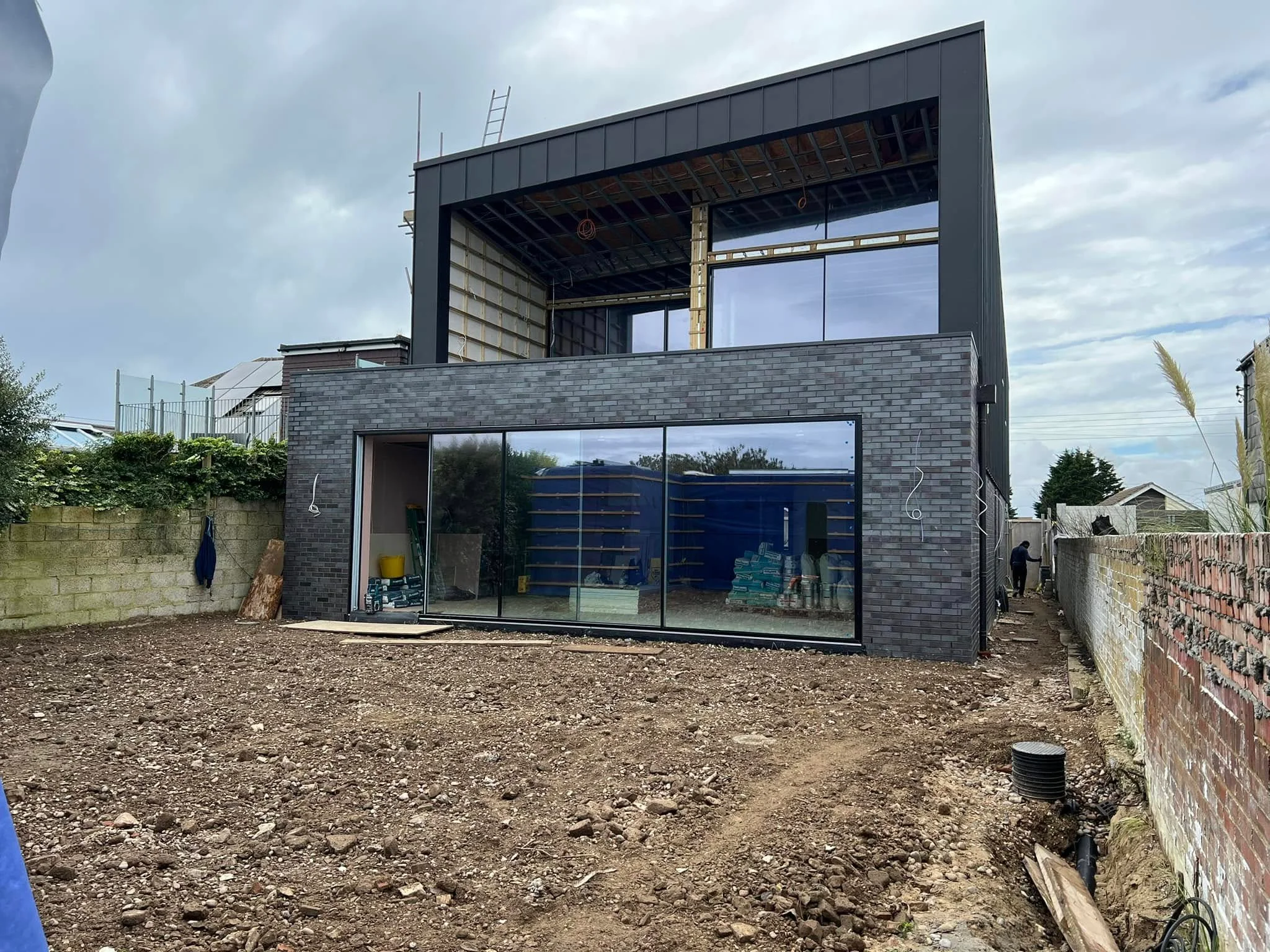
The Ultimate 2026 Homeowner’s Guide to Property Development & Outdoor Living in Kent
Introduction: The Evolution of the Kentish Estate
Kent has long been celebrated as the Garden of England, a county where rolling countryside meets historic market towns like Canterbury, Maidstone, and Rochester. However, as we move decisively into 2026, the architectural landscape of the South East is experiencing a profound renaissance. Today’s homeowners are no longer simply looking to add a few square meters of space to their properties; they are seeking to create curated environments. The modern Kent property is a sanctuary—a masterclass in blending historic heritage charm with bespoke, high-end modern living.
Whether you are restoring a crumbling Victorian townhouse, expanding a vast countryside estate in Sevenoaks, or completely reinventing the outdoor living space of a family home in Medway, property development is an exact science and a high art form. It requires a delicate, uncompromising balance of visionary design, structural engineering, and a masterful understanding of materials.
In a market where property values in the South East continue to demand premium standards, cutting corners is not an option. This 6,000-word comprehensive guide is designed to navigate you through the absolute pinnacle of property development and luxury outdoor living. From masterfully crafted extensions to the engineering of generational landscapes, here is how to elevate your property from a standard house to an architectural estate.
Chapter 1: The Architectural Renaissance of Kent Property Extensions
In the luxury property market, a house extension is never just an addition of square footage; it is the total reimagining of how a home flows. In 2026, the architectural trend has decisively shifted away from partitioned, multi-room layouts toward expansive, light-flooded spaces that serve as the heartbeat of the home.
The Rise of the "Super-Room"
The most highly sought-after development in Kent right now is the creation of the rear "Super-Room." This is a sprawling, open-plan architectural triumph that combines a bespoke chef’s kitchen, a formal dining area, and a relaxed family lounge into one cohesive space.
To achieve this level of structural elegance without compromising the integrity of the original building, rigorous engineering is required. The days of simple brick lean-tos are over. Modern extensions rely on heavily concealed steelwork, often utilizing "goalpost" steel frames to remove entirely the rear wall of the original property. Above, vaulted ceilings integrated with frameless roof lanterns draw natural daylight deep into the footprint of the property.
When planning a project of this magnitude, partnering with established experts in bespoke house extensions in Kent is non-negotiable. The transition between the old historic structure and the new architectural glass must be completely flawless. If the steelwork deflects even a millimeter under the load, the structural glass will shatter. This is why engineering-led construction is vital.
Permitted Development vs. Full Planning in 2026
Navigating the legalities of expanding your home in the South East requires local expertise. While 2026 Permitted Development (PD) rights allow homeowners to make significant rear additions without the grueling process of formal planning permission, the rules remain strict. For detached homes, you can often extend up to 8 meters to the rear under prior approval, provided the ridge heights and boundary proximities fall within the stringent guidelines.
However, many of Kent’s most beautiful homes sit within Conservation Areas or Areas of Outstanding Natural Beauty (AONB). Here, PD rights are often stripped away. Engaging a design-and-build firm that manages not just the brickwork, but the architectural drawings and local council liaison, ensures your project is legally watertight.
Bridging the Threshold: Indoor-Outdoor Synergy
True luxury is defined by the absence of boundaries. The absolute hallmark of a 2026 premium extension is the seamless threshold between the interior living space and the outdoor terrace.
Achieving this "flush finish" requires meticulous groundworks before the first brick is even laid. The internal finished floor level and the external sub-base must be engineered to align perfectly. By utilizing ultra-slimline aluminum bi-fold or sliding doors paired with continuous flooring materials—such as carrying an indoor large-format tile directly out onto the patio space—the garden visually and functionally becomes a true extension of the living room.
Chapter 2: Heritage Brickwork & Restoration — Preserving Kent's Architectural Soul
Kent’s identity is inextricably linked to its historic architecture. Owning a period property in the South East is a privilege, but it carries the heavy responsibility of proper stewardship. Over the last few decades, modern cement-based repairs have ruined countless historic facades. In 2026, the luxury standard is a strict return to traditional, breathable materials and heritage techniques.
The Science of Lime Mortar Repointing
Houses built before the 1920s—prevalent throughout Rochester, Tunbridge Wells, and Canterbury—were designed to move slightly and breathe. They were constructed using flexible lime mortar. When uneducated or rushed builders rake out these historic joints and replace them with modern, rigid Portland cement, a devastating chain reaction occurs.
Cement is non-porous. When moisture inevitably enters the wall, it becomes trapped behind the cement pointing. When winter frost hits Kent, that trapped water freezes and expands. Because the cement is harder than the historic brick, the face of the brick itself takes the impact and blows off. This is called spalling, and it is a structural failure that ruins the aesthetic and integrity of the home.
True restoration requires the painstaking process of carefully removing the aggressive cement and introducing appropriate hydraulic or non-hydraulic lime putty. Engaging specialists in heritage brickwork repointing and restoration ensures that your property's facade is not only visually stunning, matching the original historical aesthetic, but structurally sound for the next hundred years.
Architectural Brick Detailing and Sourcing
Luxury property development often involves marrying modern extensions with period homes. This requires an artisan approach to brickwork that goes far beyond standard block-laying. Master bricklayers will spend weeks sourcing reclaimed bricks from local Kent reclamation yards to perfectly match the existing weathered facade.
Furthermore, matching the historical bonding patterns—such as the classic Flemish bond or English bond—is critical. Integrating delicate brick tumbling, bespoke structural arches over new windows, and complex corbeling ensures the new addition feels like a natural, historic evolution of the property rather than a bolted-on modern afterthought.
Chapter 3: The Architecture of Outdoor Living — High-End Hard Landscaping
The concept of the British garden has fundamentally transformed. It is no longer viewed simply as a lawn and a border to be maintained; it is the ultimate alfresco entertaining space. In the affluent pockets of Maidstone, Sevenoaks, and the Weald, outdoor living areas are being designed with the same meticulous attention to detail, lighting, and spatial flow as interior living rooms.
In 2026, the luxury standard dictates that hard landscaping must be as functional in December as it is in July. This requires advanced material science and uncompromising installation techniques.
The Dominance of Premium Architectural Porcelain
For the contemporary Kent estate, standard concrete paving has been entirely superseded by architectural porcelain. Fired at extreme temperatures (often exceeding 1,200°C), outdoor-spec porcelain offers a flawless, minimalist aesthetic that is virtually impervious to the harsh, damp British weather.
When investing in luxury patio design and installation, porcelain provides a pristine finish that natively resists stains, frost damage, and the dreaded winter algae colonization that plagues softer natural stones.
However, the true luxury of a porcelain terrace lies entirely in its installation. Because the tiles are "rectified" (machine-cut to exact 90-degree square edges), they require the craftsmanship of a master tiler. They must be laid on a perfectly leveled, solid mortar bed, pre-treated with an SBR bonding slurry, and finished with immaculately slim 3mm exterior-grade grout lines. A poorly laid porcelain patio will echo, rock, and eventually crack. A professionally engineered one will last a lifetime.
Zoned Entertaining Spaces & Outdoor Kitchens
A high-end landscape design in 2026 categorizes the outdoors into distinct, experiential zones, rather than a single flat expanse of paving.
- The Dining Terrace: Located close to the property's bi-fold doors, often shaded by a bespoke, louvered bioclimatic pergola with integrated infrared heating and ambient LED lighting for year-round twilight dining.
- The Sunken Fire Lounge: A slightly depressed secondary patio, built using contrasting materials—such as silver-grey porcelain bordered by rich, charcoal clay pavers—creating an intimate, conversational amphitheater around a bespoke gas or wood-burning fire pit.
- The Culinary Suite: The integration of fully functional outdoor kitchens. Complete with built-in artisan grills, polished concrete countertops, and integrated refrigeration, this turns summer hosting into a professional-grade culinary event.
Chapter 4: Engineering the Grand Entrance — Luxury Driveways & Curb Appeal
Your driveway is the visual prelude to your home. It is the first tactile and aesthetic experience of your property, setting the immediate tone for the architectural narrative that follows. A decaying, weed-filled, or structurally failing driveway severely diminishes the curb appeal—and the financial valuation—of even the most magnificent home.
Resin-Bound Elegance: The Modern Standard
For a truly modern, sweeping entrance, resin-bound surfacing is the undisputed leading choice for luxury properties in 2026. This advanced system mixes premium, natural stone aggregates with a highly durable, UV-stable clear polyurethane resin. The mixture is then hand-troweled down to create a perfectly smooth, seamless surface.
Beyond its sleek, contemporary aesthetic, a bespoke resin-bound driveway installation offers unparalleled performance. Crucially, it is fully SUDS (Sustainable Urban Drainage Systems) compliant. This means surface water drains naturally through the porous structure of the driveway and back into the water table, completely eliminating puddles, flash flooding, and the need for unsightly grated drainage channels cutting across your entrance.
The Heritage Approach: Cobbles & Block Paving
For older, period properties—particularly the Georgian and Victorian homes prevalent in Rochester and historic Canterbury—a highly sympathetic approach is required. Sleek resin can sometimes clash with a 19th-century brick facade. Here, tumbled block paving or natural stone setts (cobbles) offer a timeless, established elegance.
The luxury in these heritage driveways comes from the bespoke laying patterns—such as sweeping 45-degree herringbones or intricate circular motifs—and the uncompromising structural integrity of the sub-base beneath them. A premium contractor will excavate deeply, installing heavy-duty geo-textiles and a heavily compacted Type 1 MOT sub-base that guarantees the surface will never rut, sink, or spread, even under the constant weight of luxury SUVs.
Chapter 5: Advanced Groundworks — The Invisible Engineering
The unseen elements of a construction project are unequivocally the most critical. Whether laying a sprawling porcelain terrace, preparing for a new driveway, or building a two-story house extension, the longevity of the project is entirely dependent on the quality of the earth beneath it.
Conquering Kent’s Clay Soil
Kent’s geology is notoriously challenging, characterized heavily by expansive Weald clay. Clay is highly reactive to moisture: it swells massively during the wet winter months and shrinks dramatically during dry summer heatwaves. This constant subterranean movement is the number one cause of structural cracking, sinking patios, and failing driveways in the South East.
A luxury build does not guess; it engineers. Professional structural groundworks and drainage solutions require deep excavations that bypass the reactive topsoil.
Surface Water Management
With the UK experiencing increasingly intense seasonal rainfall, advanced water management is a legal and practical necessity.
- Aco Drainage Systems: Precision-installed linear drains that catch surface water before it reaches the threshold of your home, routing it safely to soakaways.
- French Drains: Subterranean trenches filled with gravel and perforated pipes that redirect groundwater away from retaining walls and foundations, preventing hydrostatic pressure buildup.
Investing heavily in groundworks is the ultimate insurance policy for your property development. It is the invisible foundation upon which all luxury finishes rely.
Chapter 6: The 2026 Smart Home Integration in Luxury Extensions
In the upper echelon of the Kent property market, a luxury extension is no longer just a structural achievement; it is a technological one. As we progress through 2026, the demand for "Smart Home" capabilities has evolved from bulky, visible gadgets into invisible, deeply integrated architectural systems.
The critical mistake many homeowners make is treating technology as an afterthought—wiring a room after the plasterboard is up. True luxury requires designing the technological infrastructure during the initial groundworks and brickwork phases.
Architectural Lighting and Climate Control
When constructing a sprawling rear "Super-Room," lighting cannot be left to a simple grid of ceiling downlights. Modern bespoke house extensions require advanced lighting ecosystems, such as Lutron or Rako, programmed with distinct "scenes" (e.g., Twilight Dining, Morning Prep, or Evening Entertainment).
These systems must be hardwired during the primary electrical first-fix. Similarly, climate control has moved away from unsightly wall-mounted radiators. 2026 demands wet underfloor heating (UFH) systems integrated directly into the concrete screed during the groundworks phase. Zoned through smart thermostats, these systems provide ambient, highly efficient radiant heat that does not interrupt the interior design or dictate furniture placement.
The "Invisible" Entertainment and Security
Audio-visual technology in high-end property development should be heard and experienced, not seen. Plaster-in architectural speakers—which sit completely flush with the ceiling and are skimmed over—provide high-fidelity audio without a single visible grille.
Simultaneously, discreet security integration is paramount. Hardwired 4K perimeter cameras, biometric entry systems on ultra-secure aluminum doors, and automated gating systems on luxury driveway installations are now standard requirements for properties in affluent areas like Sevenoaks and Tunbridge Wells. These systems must be plotted into the architectural drawings by your design-and-build team before the first trench is dug.
Chapter 7: The Economics of Property Value Addition in the South East
Property development at this level is a significant capital expenditure, but when executed with uncompromising quality, it is also one of the most reliable wealth-generation vehicles available in the UK. Understanding the economics of value addition ensures that your investment yields a substantial return if you ever choose to sell.
The "Ceiling Price" Myth
A common misconception is that a street has a hard "ceiling price"—a maximum value a house can achieve regardless of the work done. While true for standard renovations, ultra-high-net-worth buyers in 2026 are willing to break the ceiling for "turnkey" perfection.
If a buyer can walk into a historic Kent property that features a masterfully executed, structurally flawless extension and an impeccably curated porcelain patio installation, they will pay a premium to avoid the stress and time of undertaking the project themselves. The value added by a master builder significantly outpaces the raw cost of the materials.
Valuing the Square Footage: Extensions vs. Landscaping
- The "Super-Room" Premium: Adding a high-end, open-plan rear extension is the single most lucrative development you can undertake. In commuter-belt towns like Maidstone and Rochester, adding 40 square meters of premium living space can elevate a property into an entirely different valuation bracket, often yielding a 1.5x to 2x return on the construction cost.
- The Curb Appeal Multiplier: Real estate agents in 2026 emphasize the "Seven-Second Rule." A buyer decides how they feel about a house within seven seconds of pulling up. A rutted tarmac driveway sets a negative psychological anchor. Conversely, a sweeping resin-bound or heritage block driveway instantly signals that the property is maintained to an elite standard, commanding higher offers from the outset.
- The Structural Confidence of Heritage Restoration: When surveying period properties, structural surveyors look for spalling bricks and damp issues caused by poor cement pointing. Investing in heritage brickwork repointing using traditional lime mortar isn't just about aesthetics; it guarantees a clean structural survey, preventing buyers from aggressively negotiating down the asking price due to perceived structural risks.
Chapter 8: Sustainability and the 2026 Building Regulations
Luxury and sustainability are no longer mutually exclusive; they are intertwined. The UK government’s 2026 updates to the Building Regulations (specifically Part L regarding conservation of fuel and power) mean that any new extension must meet extreme thermal efficiency standards.
Engineering Thermal Efficiency
Achieving these stringent U-values requires advanced construction techniques. It is no longer enough to simply pack fiberglass into a cavity wall.
- Advanced Cavity Insulation: Utilizing high-performance rigid PIR insulation boards (like Kingspan or Celotex) installed with absolute precision to prevent "cold bridging."
- Thermally Broken Glazing: The sprawling bi-fold doors and roof lanterns popular in modern extensions must feature "thermally broken" aluminum frames and argon-filled double or triple glazing. This ensures the room does not become a greenhouse in July or a freezer in January.
Partnering with a contractor like MB Construction Group guarantees that your project not only meets but exceeds these regulatory standards, future-proofing your home against rising energy costs while delivering an uncompromisingly luxurious living environment.
Chapter 9: The Anatomy of a Flawless Project — Timelines & Trade Sequencing
The most significant anxiety homeowners face when embarking on major property development is not the financial investment, but the disruption to their daily lives. In the luxury sector, project management is just as critical as the physical craftsmanship.
A flawless 2026 build is dictated by absolute precision in "Trade Sequencing"—the masterful orchestration of groundworkers, bricklayers, electricians, and landscapers so that the site flows without a single idle day. Here is the anatomy of how an elite project is executed in the South East.
Phase 1: Architectural Design and Pre-Construction (Weeks 1–8)
Before a single trench is dug, the project is won or lost in the planning phase. This involves finalizing the structural drawings, securing planning permission from local Kent authorities (if required), and completing the Party Wall agreements with neighbors. Material procurement also begins here. With global supply chain fluctuations, premium materials—like specific cuts of Italian porcelain or bespoke ultra-slimline aluminum glazing—must be ordered months in advance to prevent site delays.
Phase 2: Groundworks, Structural Steel, and Brickwork (Weeks 9–14)
This is the heavy engineering phase. It begins with site clearance and deep excavations by professional groundworks and drainage teams. Footings are poured, and the subterranean blockwork is brought up to the damp-proof course (DPC).
Once the foundation is cured, the structural steelwork is craned into position to support the new "Super-Room" layout. Simultaneously, master bricklayers begin constructing the external cavity walls, carefully matching the mortar and utilizing heritage brickwork techniques to ensure the new elevation blends seamlessly with the existing Kentish architecture.
Phase 3: The "Dry" Phase — First and Second Fix (Weeks 15–20)
Once the roof is pitched, tiled, and the property is completely watertight, the internal transformation accelerates.
- First Fix: Plumbers install the manifold for the wet underfloor heating, and electricians channel the walls for the smart home lighting and security networks.
- Plastering and Screeding: The concrete floor screed is poured over the heating pipes, and the walls are skimmed to a glass-like finish.
- Second Fix: The bespoke kitchens are fitted, the architectural lighting is activated, and the large-format interior tiles are laid.
Phase 4: The Exterior Transition — Luxury Landscaping (Weeks 21–24)
As the interior trades finish their detailing, the exterior teams take over. This is where the threshold between inside and outside is finalized. The heavily compacted sub-bases are prepared for the sweeping resin-bound driveway installation at the front of the property.
Simultaneously, at the rear, the outdoor-spec porcelain is laid to align perfectly flush with the interior floor level, and the bespoke louvered pergolas are erected. The project transitions from a construction site into a curated, luxury estate.
Chapter 10: The MB Construction Group Guarantee — Crafting Kentish Legacies
At the highest echelon of the property market, homeowners do not want the burden of project managing multiple, disjointed trades. They do not want to mediate disputes between the architect, the bricklayer, and the landscaper. They require a singular, holistic partner who assumes total responsibility for the property.
At MB Construction Group, we operate on a fundamentally different philosophy than standard general builders. We believe that true luxury is not just found in the final aesthetic; it is found in the peace of mind throughout the journey. It is found in the meticulous execution of unseen details—the heavily engineered footings, the perfectly calculated drainage falls, and the uncompromising structural integrity of our brickwork.
Why the South East Chooses Us
With over 15 years of dedicated experience and a portfolio of over 500 successfully completed projects across Rochester, Maidstone, Sevenoaks, and the wider Kent region, we are the definitive authority on luxury property development and high-end hard landscaping.
We do not just build extensions; we engineer modern living spaces. We do not just lay patios; we design generational outdoor entertaining zones.
Begin Your 2026 Property Transformation
If you are ready to elevate your home to the highest standard of architectural and aesthetic living, the journey begins with an uncompromising commitment to quality. Do not leave the value and safety of your most significant asset to chance.
Partner with the experts who treat your property with the reverence it deserves. Contact MB Construction Group today to schedule your comprehensive site survey and bespoke design consultation. Let us build your legacy.